UEEX continues working for Ukraine to become part of the EU’s Internal Energy Market (Flame Conference)
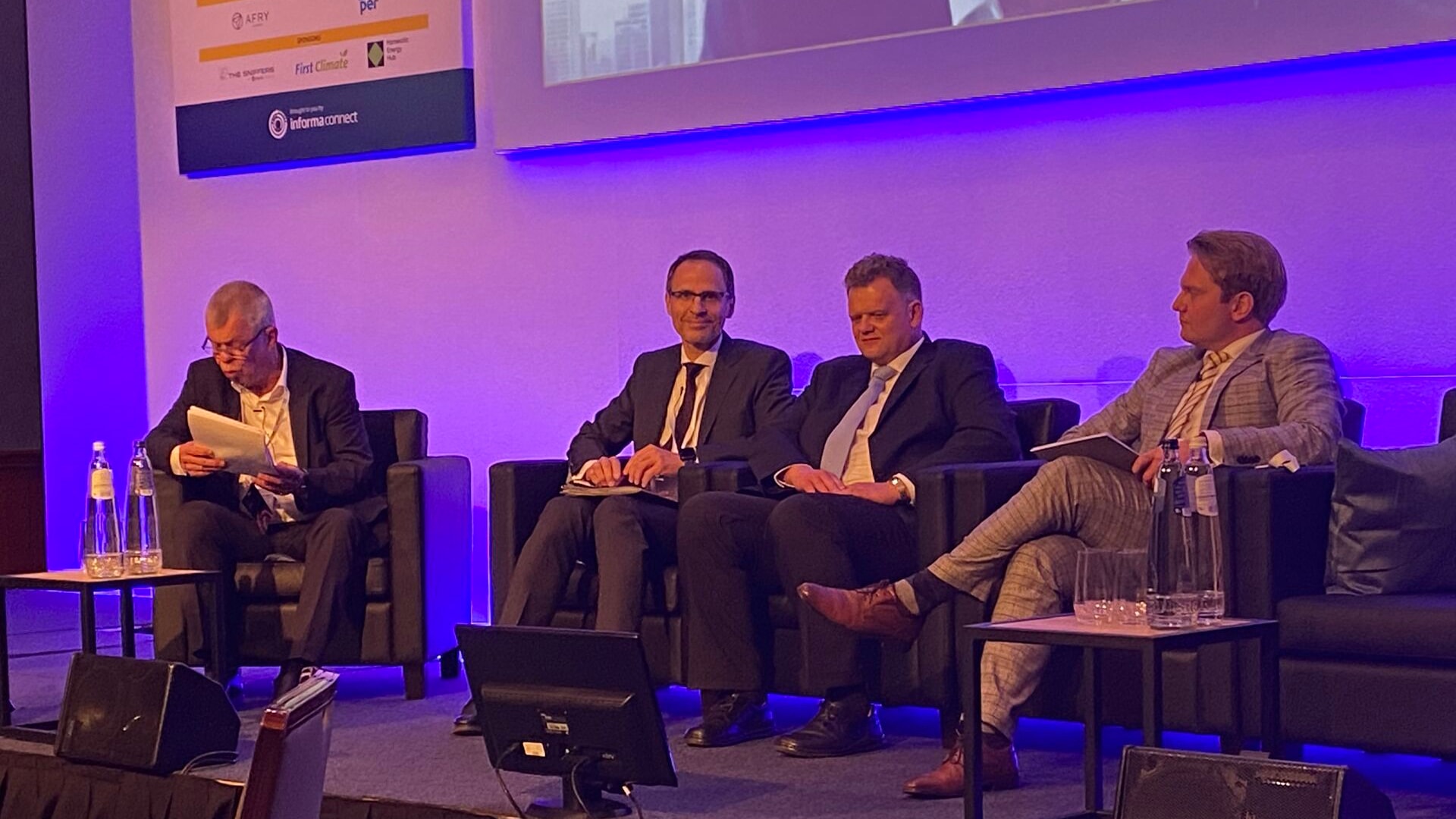
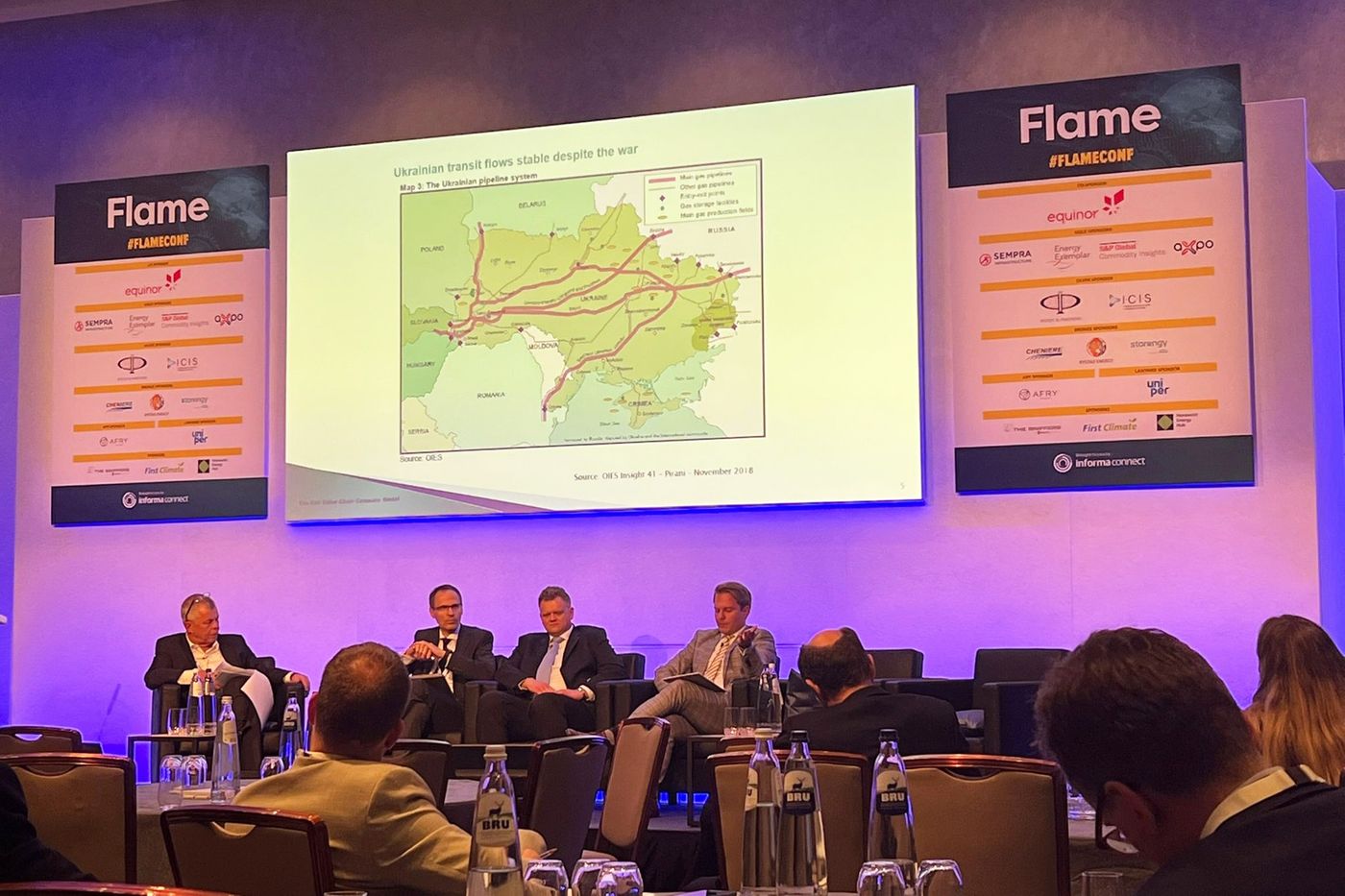
Lisse Geert van Vliet, Business Developer at the Ukrainian Energy Exchange (UEEX), addressed gas industry experts today at the Flame Conference in Amsterdam as part of the Gas Traders Day. He took part as a speaker on the panel: "Trading in CEE: how to get additional gas into the region." Moderated by Wolfgang Peters, Lisse discussed gas supply and trading opportunities in the CEE and Baltic region, while updating the industry about the effect of the war on the Ukrainian energy markets.
His opening statement read as follows: "By excessively relying on natural gas and its import from Russia for its energy transition, Europe has taken a risk that it is now paying a high price for. It became again clear that supply diversification and further integration of the European energy markets is essential for the energy security of the continent. The Ukrainian Energy Exchange, despite the war, continues working for Ukraine to become part of the EU’s Internal Energy Market, as the future of the country depends on it".
Together with Gottfried Steiner, Volker Lauer and Gintaras Buzkys, Lisse van Vliet discussed potential new gas supply routes and sources, the prospects for the South-East European Gas (SEEGAS) initiative and the situation in Ukraine regarding storage services and Russian gas transit.
Lisse stressed that UEEX continues to provide participants with instruments for trading at pre-war levels but admitted a drop in liquidity in the natural gas market segment. It should be noted that there are now many external and internal obstacles to exchange trading and to the gas market in general.
Ukraine risks "rolling back" the reforms that have been made and losing the result it has achieved - the operation of European rules and regulations in gas trading. UEEX embodies these values of the civilized world in natural gas trading and will prove to both Ukrainian and foreign partners that the value of the work done. Building a competitive long-term market, a short-term market, creating conditions for balancing according to European standards and other instruments are key elements to this.