


Security of supply and cross-border trade integration discussed at the 4th SEEGAS JSC
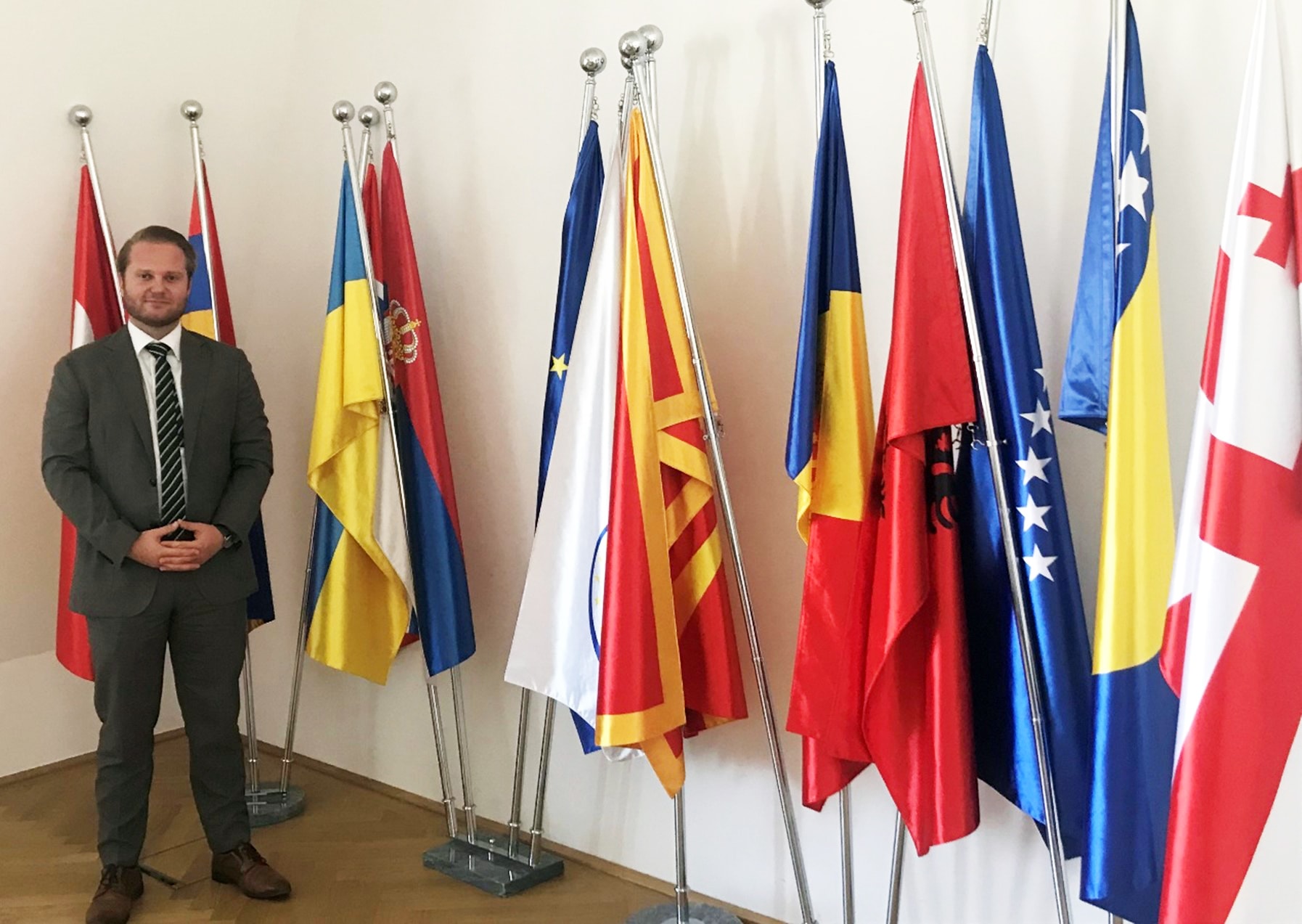
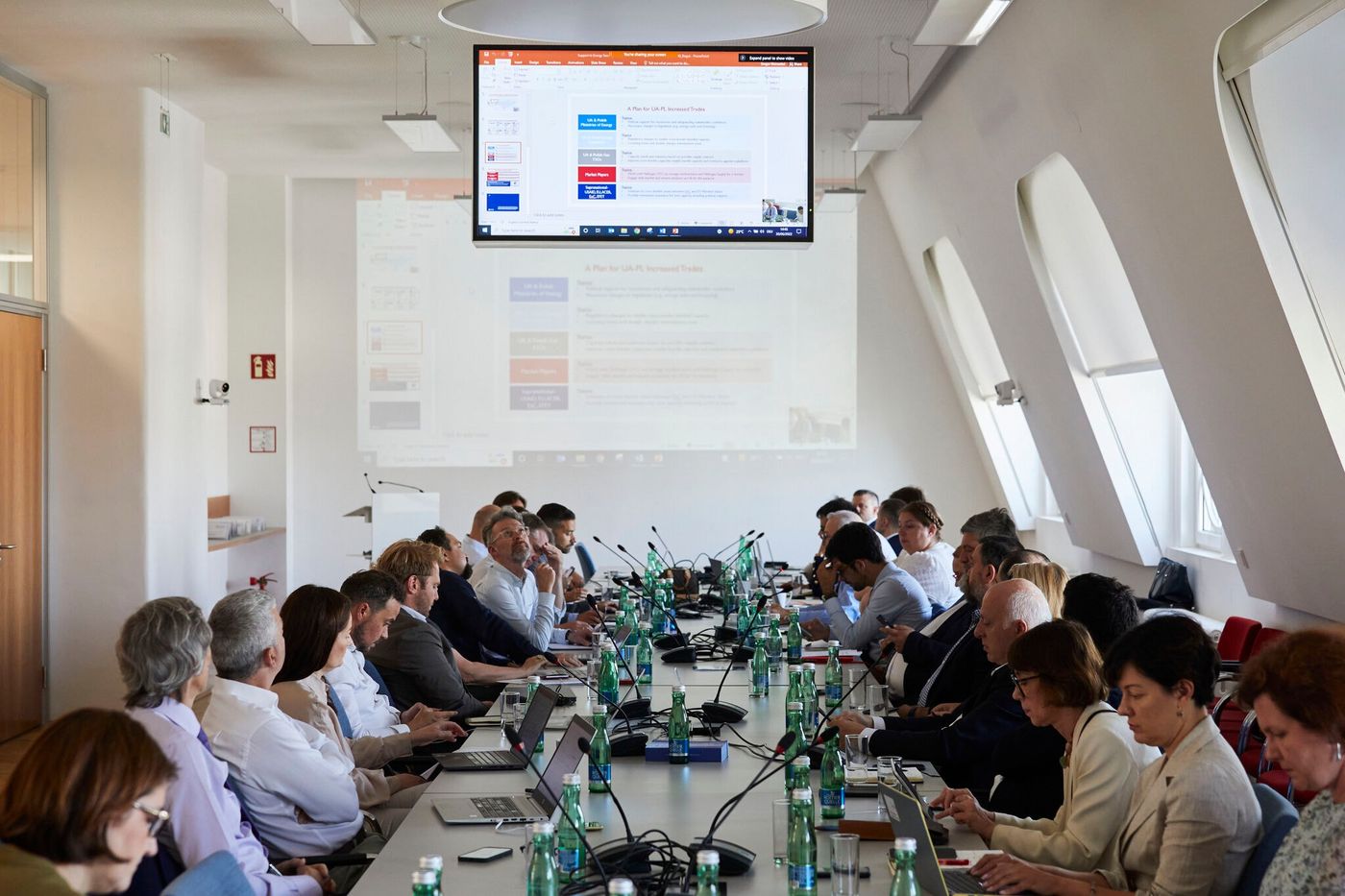
June 30 - July 1 Ukrainian Energy Exchange (UEEX) was represented at the Extraordinary 4th Crisis Meeting of SEEGAS JSC by business developer Lisse Gert van VlietThe centerpiece of the two-day hybrid event was the regional security of supply and price situation in the gas markets in the South East European region in light of regional initiatives for cross-border cooperation and the high energy price crisis in Europe.
On the first day, the Energy Community Secretariat, EBRD and ENTSOG provided an update on actions and initiatives in response to the recent Russian aggression against Ukraine. The Energy Community Secretariat briefed the participants on the latest developments. Afterwards, the EBRD gave an update about their “EBRD crisis response program” and ENTSOG elaborated on their emergency coordination structure with TSOs. USAID representatives presented an analysis of the possibility of additional LNG supplies to Ukraine. The Energy Community Secretariat presented to SEEGAS JSC the preliminary results of a study on the supply situation in the region. This includes a project looking specifically at the Trans Balkan Route.
The participating TSOs provided updates on regional transportation routes and opportunities to diversify gas supplies. The GTSOU and Ukrtransgaz were represented and stressed that Ukraine is ready to offer storage facilities for up to 10 billion m3 of natural gas to European partners which are now actively discussed in the European market. Ukrainian storage capacities are the largest in Europe, about 80% of them are located in the west of the country. In addition, the GTSOU briefed members on the work done with neighboring countries to ensure firm capacity. They also reiterated their request to cancel the exemptions from German legislation granted to Nord Stream 1 and move gas volumes to the Ukrainian route.
The second day was devoted to the situation on the exchanges in the region and the proposed joint initiatives. UEEX business developer Lisse Geert van Vliet spoke about the state of the Ukrainian gas market. Even under martial law, UEEX organizes trading according to the usual schedule and prices are relatively stable, although trading activity on the entire Ukrainian market has significantly decreased. Lisse van Vliet mentioned that gas in Ukraine is still sold lower than in Europe by about 15 EUR/MWh (May). Thus, he concluded, the main resource in the market has become the resource of domestic production, to which the entire market is tied. Trading on the UEEX short-term gas market was relatively active, in contrast to auctions. In general, 797,000 cubic meters of gas were sold on the short-term market in May, which is six times more than in April.
He reminded the participants that UEEX and Ukrtransgaz launched a mechanism for the exchange trading of gas, which is stored in the "Customs warehouse" mode. In connection with the outbreak of war, auctions have not yet been held, although there was a lot of interest in the cross-border product earlier. With the recent EU proposal for mandatory gas storage, which mentioned Ukraine, the mechanism for trading gas in storage facilities may become more relevant. Finally, Mr. van Vliet noted that the UEEX has already opened a section on electricity trading for export after the successful synchronization of Ukraine with ENTSOE. The mechanism would allow Ukrainian sellers to place an order for sale and indicate the export border and EU buyers to place purchase orders following the same mechanisms.
In addition to other exchanges representing the situation in their markets, the European Commission introduced its EU Regional Energy Platform South East Europe for voluntary joint gas purchases. ACER also presented its analysis of Europe’s reaction to a complete halt in Russian gas supplies. In addition, Europex and EFET shared their views on the current high commodity prices and market volatility. The participants also touched upon the role of market operators and the response to the gas market crisis.
Among the participants were representatives of Gaz Systems, TGE, CEEGEX, FGSZ, CEGH, GTSOU, UEEX, Moldovatransgaz, Transgaz, BRM, BGH, HENEX, DESFA, EPIAS/EXIST and GNEX, as well as representatives of ACER, ENTSOG, European Commission, EBRD is present, USAID, EFET, Europex and trading companies. The Joint Steering Committee is meeting for the fourth time since the signing of the Memorandum of Stakeholders on Interregional Cooperation for the Development of the Integrated Gas Market in Southeast Europe. After internal agreement, the full list of the conclusions of this meeting will be submitted to the European Commission and made public.