Gas price: Ukraine and Europe. Market overview September 07 -11, 2026
In the "Medium- and Long-Term Market" section of the UEEX, trading continued for September and October 2026 resources within the gas transmission system and underground gas storage facilities. In total, six companies established positions for the sale or purchase of natural gas: GSC Naftogaz Trading, MC Ukrnaftoburinnya, Cherkasyteplokomunenergo, Golden Gate Energy, and others. A total of 21.1 million cubic meters of natural gas was sold in the section. Buy orders from Golden Gate Energy, Cherkasyteplokomunenergo, and GSC Naftogaz Trading, as well as a sell order from MC Ukrnaftoburinnya, were successful. Prices trended downward, crossing the 17,500 UAH (excl. VAT) mark on Thursday, September 10.
On the UEEX short-term natural gas market, participants submitted orders for the intraday market involving the gas transmission system and underground gas storage facilities. A total of 31 exchange trades were concluded, with an aggregate volume of 788,000 cubic meters.
Acts of sabotage at German electrical substations—where improvised explosive devices damaged infrastructure in Brandenburg and North Rhine-Westphalia—have heightened unease in European gas markets this week.
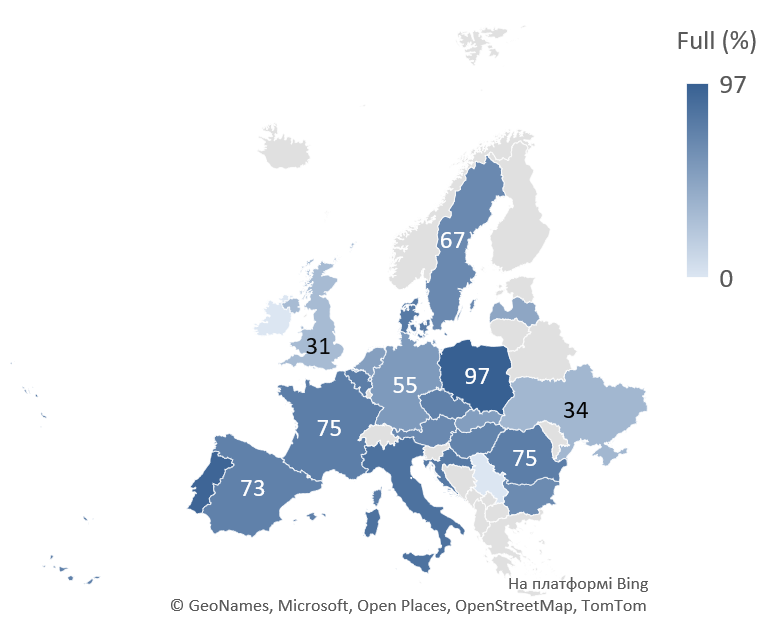
As of September 10, pan-European gas storage facilities were filled to only 67.64% of capacity—compared to a seasonal norm of 82%—according to the latest AGSI data, and the reasons for this are both economic and physical.
Regarding supply, less gas was initially available for injection. The Strait of Hormuz remains a point of contention, and the resumption of flows is still being delayed. At the same time, heatwaves in Asia have boosted demand for gas for cooling in the region, diverting LNG cargoes eastward and away from European buyers. With only a few weeks of summer injection remaining, bridging the gap is now very difficult. The price spread between summer and winter contracts remained too narrow throughout the season for injection to be commercially viable, giving suppliers little incentive to build up reserves. The lower the storage levels, the more vulnerable Europe is to winter price spikes; the forecast curve reflects this vulnerability, with the market pricing in no factors that would drive costs down before November. Traders have begun opting for a mixed long-term contract strategy, viewing it as effective in either scenario: if prices fall, the buyer pays only a slight premium due to cost averaging; if prices continue to rise, the contract provides protection against the impact of a winter that could prove to be the most expensive in three years. For example, the cost of NBP gas contracts rose from around £37.56 per MWh in April to over £61 currently.
Natural gas imports from Europe stood at 1.3 million cubic meters per day (down 0.3 million cubic meters from the previous week’s figure). Imports arrived from Poland and Hungary. Exports from the customs warehouse went only to Poland, with volumes reaching up to 0.7 million cubic meters. Ukraine’s storage facilities held 15.05 billion cubic meters of natural gas (an increase of 1.68%). Withdrawal from underground storage facilities was virtually non-existent; instead, injection was observed at a rate of approximately 36 million cubic meters per day.