Gas price: Ukraine and Europe. Market overview March 9 - 13, 2026
In the "Medium and Long-Term Market" section of the UEEX, trading in the resource continued in March and April 2026. In total, 10 companies formed positions for the sale or purchase of natural gas: Ukrnafta, Ukrnaftoburinnia, BNK Joint Stock Company, LTK Electrum, Energy Business, PrJSC “MHP Eko Energy”, Tepla, etc. The section sold 4.2 million cubic meters of natural gas, which is half as much as in the previous week. Natural gas was sold with delivery to the gas transmission system and underground storage facilities in March. The positions of three selling companies were successful - Ukrnafta, MC Ukrnaftoburinnia, Tepla. The prices of sold positions were in the range of 23009.09-24170 UAH/thousand cubic meters excluding VAT. There was a sharp upward trend in stock market quotes during the week.
On the short-term natural gas market of the Ukrainian Energy Exchange, participants formed applications on the intraday market, in the GTS and UGS. In total, 18 agreements were concluded with a total volume of 1,569 thousand cubic meters (-31.66%).
The European market sees the war in Iran as a long-term destabilizing risk rather than a short-term shock. Iranian statements highlight the continued closure of the Strait of Hormuz, which increases concerns about ongoing supply disruptions. Persistent disruptions to shipping routes are intensifying global competition for US LNG, supporting gas prices to attract cargoes.
Prices jumped on Monday (March 9) after a series of events that constrained the global LNG balance, including disruptions to Qatari LNG exports. Markets remained extremely volatile into Tuesday (March 10) as geopolitical headlines continued to cause sharp price swings. Although prices initially opened significantly higher, intraday trading was accompanied by sharp reversals as traders reacted to new developments.
The rise reversed significantly late in the session on Thursday, March 12, after comments by Iran’s foreign minister that many ships could cross the strait, subject to coordination with the Iranian Navy. Production at Qatar’s Ras Laffan LNG plant - the world’s largest gas liquefaction complex - remains suspended.
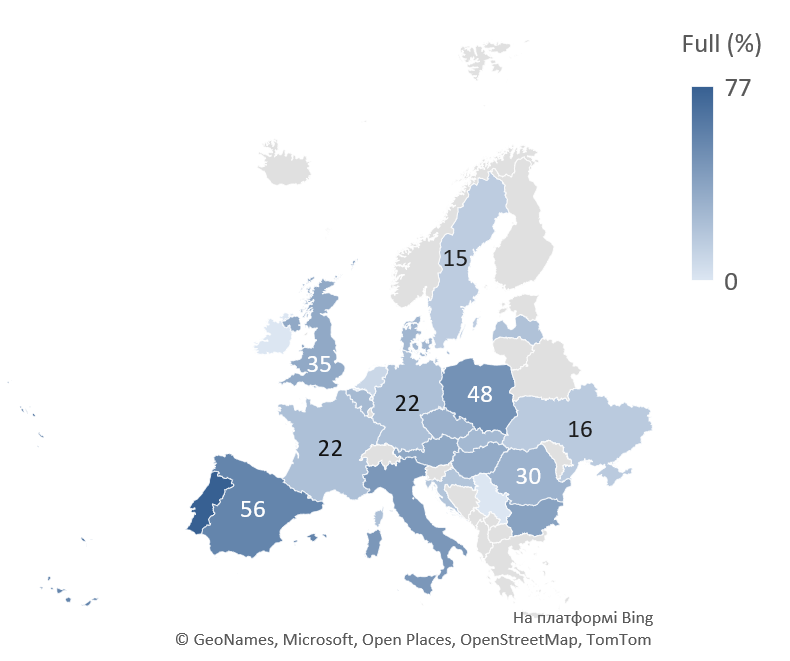
LNG price signals heavily favor spot shipments to Northeast Asia, rather than Europe. Netbacks for shipments to Japan and South Korea from the Gulf of Mexico are currently 40% higher than netbacks to Europe. This reality has led to at least nine cargoes originally destined for Europe being diverted to Asia since the conflict began. This will further create a systemic problem for Europe ahead of the winter of 26/27, given that EU gas storage is only 29% full, a historically low figure. Sustained increased competing demand for LNG could support summer pricing and remove economic incentives to pump resources into storage, limiting the pace of replenishment. US President Donald Trump’s comments on Monday, March 9, were seen as de-escalating, as Trump told reporters that the war could end "very soon." Gas prices for April delivery fell 14% after Trump’s remarks, despite no change in the availability of gas from the Middle East. In general, geopolitical events determine the direction of prices, while fundamentals soften potential gains.
Short-term prices are already close to two-year highs, while long-term prices are still trading lower but are starting to rise. Given that the weather is currently softening the market, a short-term decline may look “attractive,” but the longer the conflict continues, the more the risk of price increases spreads along the curve.
New data suggests that by the end of the heating season, stock levels could fall by as much as 25% if the decline in stocks continues at the same pace, leaving Europe facing a larger-than-usual task of replenishing stocks this summer.
Natural gas imports from Europe averaged about 25.18 million cubic meters per day (-6.74%). Imports were present from all neighboring European countries. The basis was the Polish direction. Exports from the customs warehouse were present in the direction of Hungary, in the amount of up to 0.3 million cubic meters per day. In the storage facilities of Ukraine there were 9.44 billion cubic meters of natural gas. Withdrawals from the underground gas storage facilities were practically absent.